The Coverage Gap Nobody Explains Before You Need It
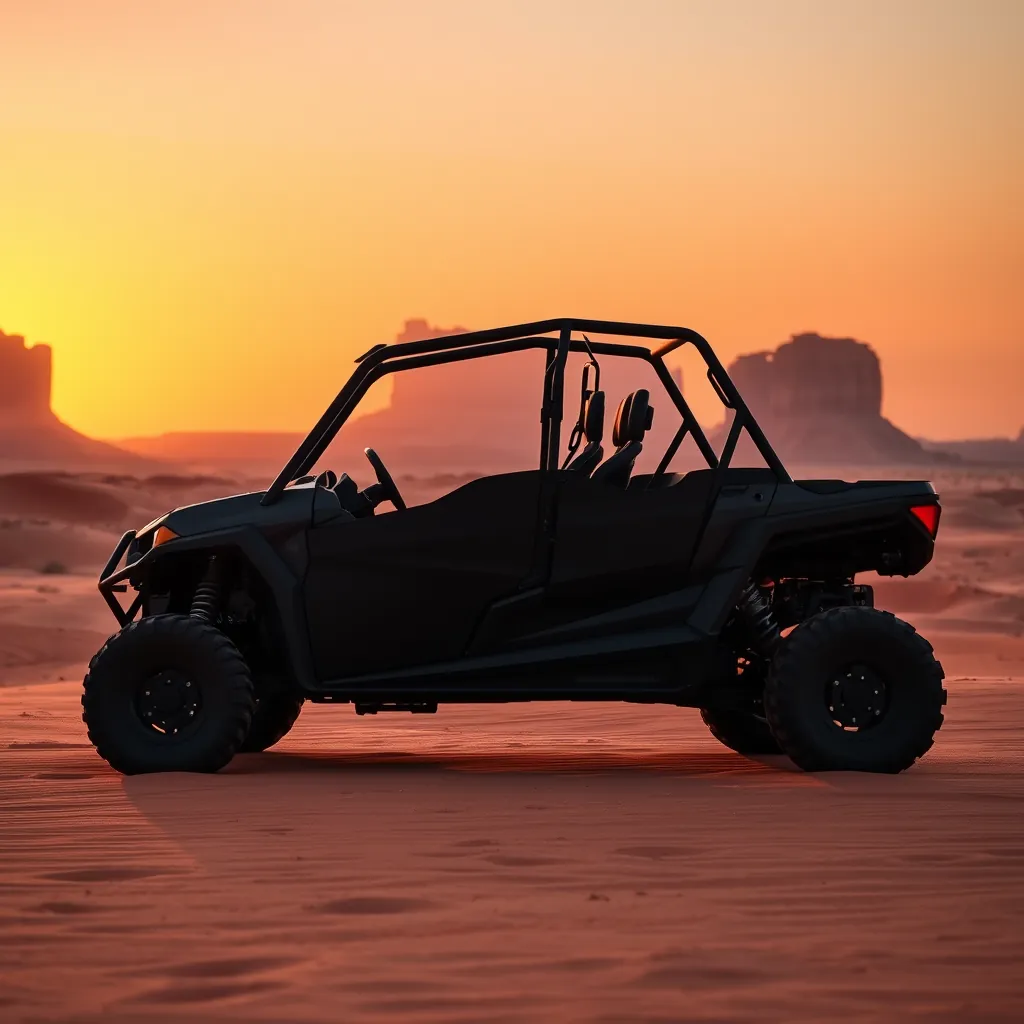
You load your Can-Am Maverick into the toy hauler, drive four hours to the dunes, unhook the trailer, level it up, and get ready for a day of riding. You ride the Can-Am down the ramp. You're now uninsured.
Your RV policy's personal property coverage applied to the Can-Am while it was stored in the trailer. The moment you ride it out of the garage — onto the trail, across the parking area, or down the dune access road — that coverage ends. If you crash, flip, or get hit by another rider, you're handling the repair out of pocket.
This isn't a technicality or a gray area. It's how RV personal property coverage is designed. It covers personal belongings stored in the unit. It does not follow those belongings when they're being operated as vehicles. That requires a separate insurance policy.
Why RV Personal Property Coverage Isn't Enough (Even for Storage)
Beyond the riding problem, RV personal property coverage usually doesn't even provide adequate protection for the vehicles while stored.
Most RV policies include $3,000–$5,000 in personal property coverage. Here's what that covers at current market prices:
- Can-Am Maverick R: $32,000+ new
- Polaris RZR Pro XP: $22,000+ new
- Yamaha YXZ1000R: $20,000+ new
- Can-Am Defender: $18,000+ new
- Honda Pioneer 700: $12,000+ new
Any one of these vehicles alone exceeds the personal property limit on a standard RV policy. If your Can-Am is stolen from your toy hauler in a campground, your RV policy pays $5,000 against a $30,000 vehicle.
The math doesn't work. OHV insurance solves this by insuring each vehicle at its actual value.
What a Dedicated OHV Policy Covers
An OHV (Off-Highway Vehicle) insurance policy is specifically designed for ATVs, UTVs, side-by-sides, and dirt bikes. It covers the vehicle at its actual value and follows the vehicle wherever you take it:
Liability coverage: If you're riding and cause injury or property damage to another person, liability coverage protects you from financial responsibility. Many states require liability insurance for OHV operation on public trails. Even where not required, riding without liability coverage exposes you to significant financial risk from accidents involving other riders, hikers, or property.
Collision coverage: Physical damage to your OHV from impact — with another vehicle, a rock, a tree, a trail obstacle, or a rollover. Collision pays for repair or replacement of your vehicle regardless of fault.
Comprehensive coverage: Theft, fire, vandalism, weather damage, and other non-collision losses. Comprehensive covers the Can-Am stored in your toy hauler AND while it's out on the trail.
Medical payments: Medical bills for you and passengers injured in an OHV accident, regardless of fault. Off-road injuries are common (rollovers are a significant OHV hazard) and medical bills add up fast.
Uninsured OHV motorist: If another rider without insurance hits you and causes damage to your vehicle or injures you, uninsured OHV motorist coverage steps in where their absent policy would have.
Accessories coverage: Light bars, lifted suspension, winches, wheel and tire upgrades, audio systems, and custom accessories. UTVs particularly accumulate significant accessory investments. Disclose these when buying coverage.
Motorcycle and Dirt Bike Coverage in the Toy Hauler
Everything above applies to motorcycles and dirt bikes hauled in toy haulers. A dedicated motorcycle insurance policy covers the bike: - While stored in the trailer (at its full value, not capped at $5,000) - While being ridden on trails or dirt - While being ridden on street (street-legal bikes)
Trail and dirt bikes often have simpler policies since they're not street-licensed. Street-legal motorcycles can be added to a standard motorcycle policy that covers both road and trail use.
State OHV Insurance Requirements
OHV liability insurance is required in an increasing number of states, particularly for operation on public lands and state-managed OHV parks:
Arizona: Required for operation on all state trust lands and many OHV areas.
California: Required for OHV registration (Green Sticker program) to operate on public lands.
New York: Required for ATV operation on public lands and roads.
Michigan: Required for ATVs operated on public trails and state land.
Many other states have varying requirements by trail system or operation type. Before heading to an OHV destination, know the insurance requirements. Getting stopped without required liability coverage can mean a fine and removal from the trail system.
When you're visiting a new state's OHV areas with your toy hauler, confirm the requirements. We write OHV coverage in all 50 states.
How to Build the Right Coverage Stack
The optimal toy hauler insurance package is layered:
Layer 1 — Toy Hauler RV Policy: Covers the fifth wheel or travel trailer unit. Comprehensive and collision on the vehicle, vacation liability at campsites, personal property for the living quarters contents.
Layer 2 — OHV Policy Per Vehicle: One policy for each ATV, UTV, or side-by-side. Each covers the vehicle at its actual value — stored and riding. Liability, collision, comprehensive.
Layer 3 — Motorcycle Policy (if applicable): One policy per motorcycle or dirt bike.
This structure is clean: each asset has its own policy, there are no gaps, and claims go to the right policy. The total cost is often surprisingly reasonable — separate policies for each asset are frequently more cost-effective than trying to aggregate coverage through a single RV policy with endorsements.
Example total stack: - $70,000 fifth wheel: ~$650/year - Polaris RZR Pro XP ($22,000): ~$450/year - Two dirt bikes ($6,000 each): ~$220/year combined - Total: ~$1,320/year for complete coverage
Common Mistakes to Avoid
Assuming your homeowners policy covers the ATV: Standard homeowners policies typically exclude motorized vehicles from off-premises coverage. Even if your ATV is technically "personal property," using it as an off-road vehicle excludes it from most homeowners policies. Check specifically — don't assume.
Buying the RV policy and calling it done: Your toy hauler RV policy is layer one of a three-layer stack. Stopping there leaves your vehicles underinsured in storage and completely uncovered while riding.
Not disclosing accessories: A $10,000 UTV with $5,000 in accessory upgrades should be insured at $15,000, not $10,000. Disclose your accessories when you buy the policy. If you add significant accessories after buying the policy, notify your insurer.
Not updating coverage as vehicle values change: UTV and ATV market values fluctuate. If you bought your RZR three years ago at $18,000 and comparable units are now selling for $22,000, you may want to increase your coverage limit.
Getting OHV Coverage Through CCA
Call 844-967-5247 or request a quote and tell us: - What vehicles you're hauling (year, make, model of each) - Current market value or purchase price - Accessories and modifications (light bars, lifted kits, audio, winches) - Where you primarily ride (states, type of terrain) - Whether liability coverage is required for your typical riding areas
We'll quote the full stack — toy hauler plus all OHV vehicles — in one conversation. Same-day turnaround in most cases.